
The Dominance of Chinese EVs
May 29, 2026
Welcome to The Sidekick, a monthly procurement newsletter dedicated to Sourcing Heroes around the country.
Una is a group purchasing organization that helps over 10,000 active members save more money and simplify procurement.
Join us today at www.una.com.
Chinese Manufacturers are Dominating...
Plus companies moving closer to a truly circular supply chain.
Welcome to edition #29 of The Sidekick!
Chinese manufacturers like BYD and Geely are dominating global sales, with a sharp uptick since the Iran crisis began. But here in the U.S., you’d be hard-put to find a single Chinese EV on our roads due to our iron-clad protectionist policies.
As a thought experiment, what would happen if the 100%+ tariffs were to be removed? Could American EV manufacturers compete? Find out below.
Also, we take a look at the companies moving ever-closer to a truly circular supply chain. Why are they doing it, what are the benefits, and what are the challenges?
As always, scroll down for our mixed bag of treats: live updates from the ISM conference, the latest AI procurement news, and fresh resources from the Una team.
Subscribe below so you never miss an issue!
Let's get into Issue #029...
The CFO's Guide to a GPO Partnership
A practical guide for finance leaders evaluating how group purchasing can improve margins, increase procurement ROI, and unlock measurable value.
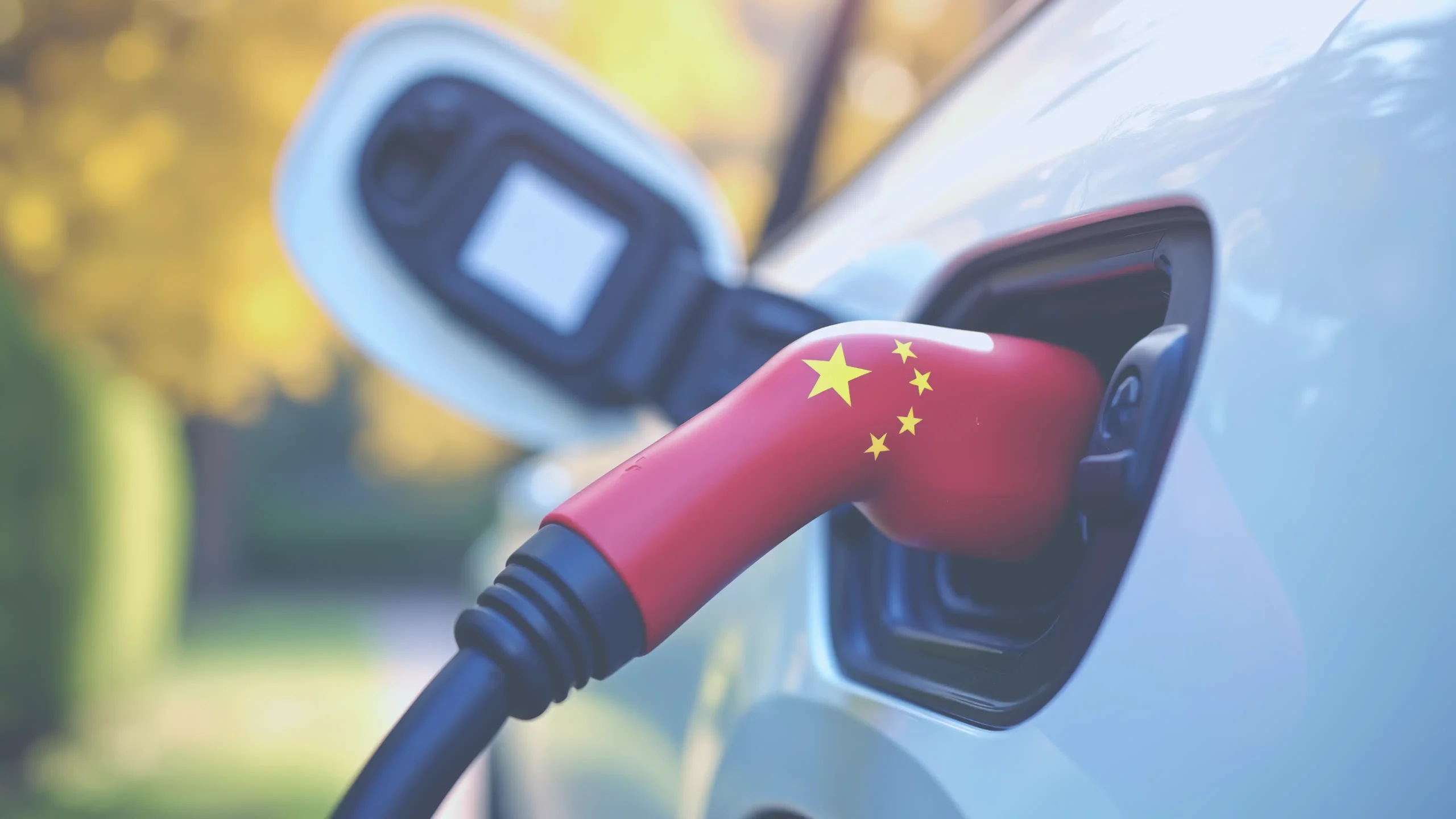
Without Tariffs, Would Chinese EVs Dominate Our Roads?
US policy is keeping them out...
US policy on Chinese EVs has evolved into an impenetrable wall since 2024.
A quick history: tariffs on Chinese-made electric vehicles rose sharply to 100% in 2024 as part of the Biden administration’s efforts to shield domestic industries from what officials described as unfair subsidized competition.
When the second Trump administration took office, those measures were largely maintained and in many cases strengthened through additional layers under Section 301 and national security authorities.
Combined tariff rates now often sit between 127.5% and 247.5%, depending on vehicle classification, with EV batteries facing 25% to 100% duties and critical minerals carrying 25% tariffs. At present, this combination has effectively closed the door on direct imports of Chinese EVs into the United States.
That outcome represents good news for American manufacturers, because if the future of driving truly is electric, then Chinese EVs represent an existential threat.
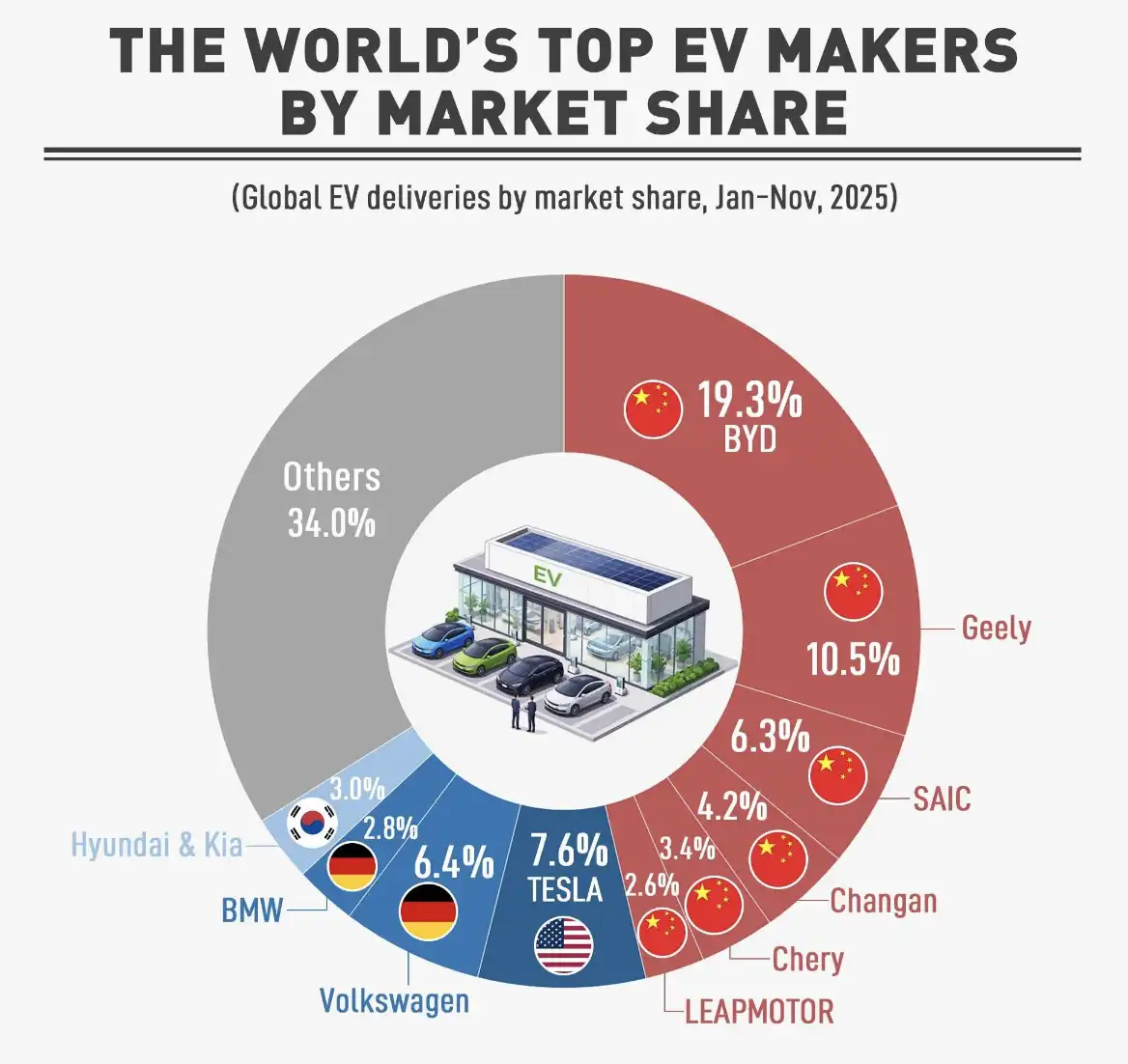
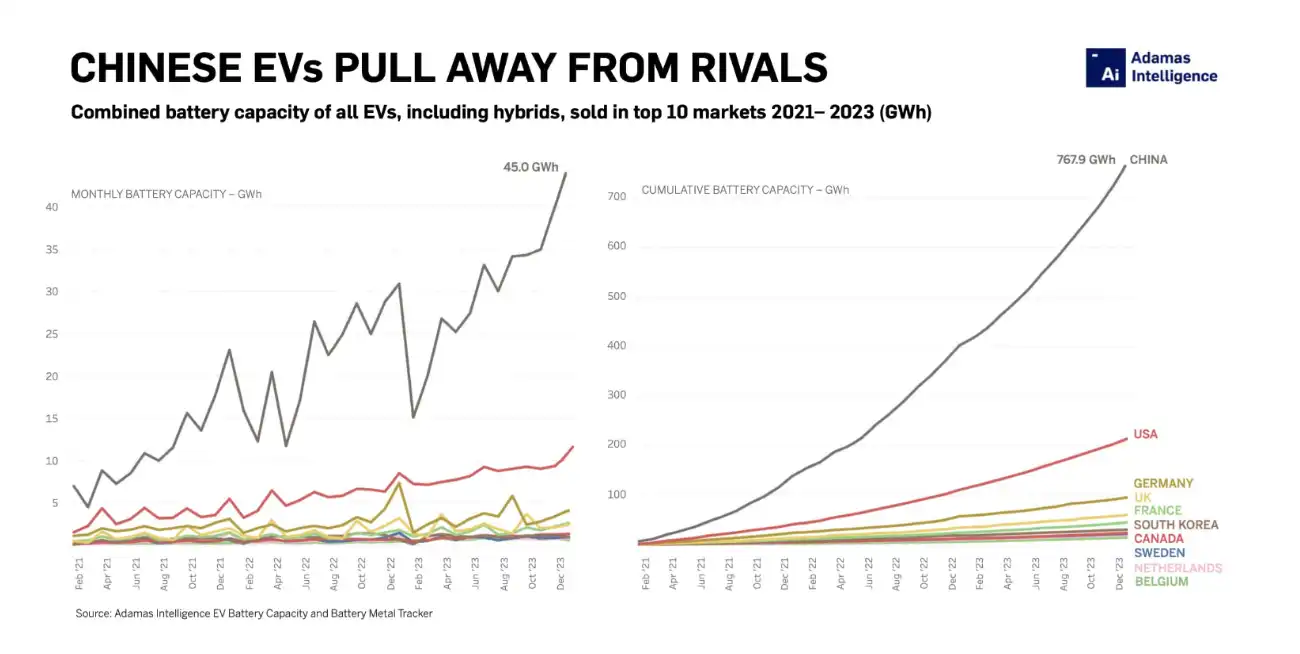
Chinese manufacturers bring aggressive pricing and remarkably fast development cycles that have proven highly attractive in markets without heavy trade barriers. Fierce competition inside China has driven rapid innovation, efficient manufacturing, and cost structures that many Western manufacturers find difficult to match right now.
Chinese automakers benefit from a massive head start on battery technology, vertically integrated supply chains, and lower production costs, with budget models like the BYD Seagull selling for as little as $8,000 to $12,000 in China.
Even after shipping and necessary US safety modifications, these vehicles would still heavily undercut the roughly $55,000 average transaction price for new EVs in the United States.
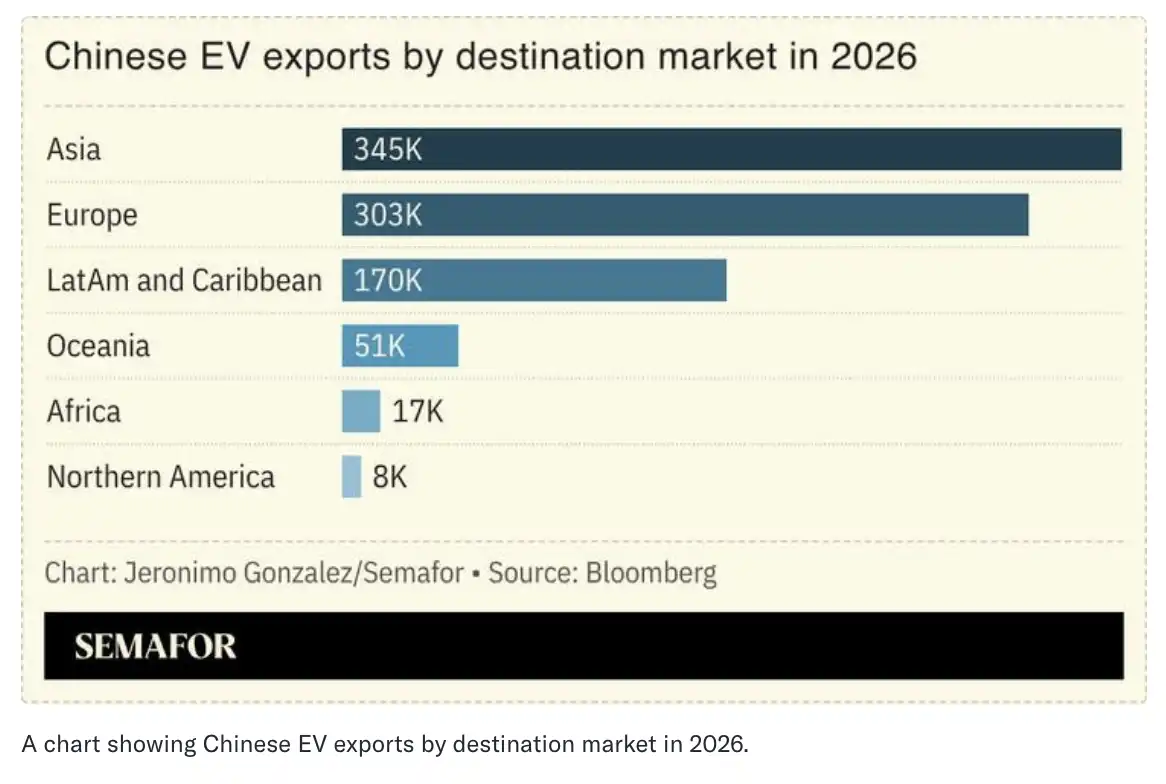
Global market precedent backs this up. In countries with lighter or no heavy import taxes, Chinese-made vehicles from brands like BYD, MG, and Geely have flooded in quickly.
- In Brazil, Chinese models captured around 80 to 85% of EV sales in 2025.
- Across Southeast Asia, Chinese brands have taken more than half of the market, with similar patterns in many Latin American and Middle Eastern countries.
- Australia offers another clear example, where Chinese-built vehicles, including a growing number of EVs, overtook Japan as the top source of new car imports in early 2026.
So, what would happen if the next president removed the 100+% tariffs on Chinese EVs?
Not much, because there’s another strong barrier in place. Federal regulations from the Department of Commerce restrict the use of connected vehicle software and hardware produced by Chinese-owned entities.
Because virtually all modern EVs rely heavily on internet connectivity for everything from navigation and updates to autonomous features, this rule functions as a near-total block independent of any import duties. The restrictions treat these vehicles as national security concerns, effectively shutting out brands such as BYD, Xiaomi, and others from selling on U.S. roads.
You might have seen the news that Canada broke with the U.S. earlier this year by slashing its own 100% tariffs on Chinese EVs down to around 6% under a new agreement. This shift could create interesting cross-border dynamics, so procurement teams should keep a close eye on how it plays out with our northern neighbor.

Getting Closer to a Circular Supply Chain
The path forward comes with challenges.
If you have spent any time digging into your material costs or wrestling with Scope 3 emissions data lately, you already know that building a truly circular supply chain can deliver meaningful advantages… but it isn’t easy.
Organizations that close the loop on materials often see reduced exposure to raw material price volatility and tariffs, while also creating new revenue opportunities through refurbished products and take-back programs.
Early movers, according to PWC, are seeing a 15% to 20% reduction in TCO for applicable categories, alongside improved compliance reporting and stronger appeal to both customers and regulators. Analysts suggest the broader circular economy could unlock trillions in economic value by 2030.
Challenges Ahead
But the path forward comes with real challenges:
- Reverse logistics expenses can add up quickly, and many supply chains still struggle with the level of supplier visibility and data traceability needed to make circular models work smoothly.
- Issues around consistent quality in refurbished goods, varying regional recycling infrastructure, and the sheer complexity of global value chains slow progress for plenty of organizations.
The latest Circularity Gap Report puts the global circularity rate at roughly %, which shows how much work remains.
Is true circularity possible? Achieving perfect closed-loop systems at massive scale remains difficult because of inevitable material losses, thermodynamic realities, and economic trade-offs. Yet companies continue to demonstrate that substantial progress is within reach through smarter product design, robust take-back initiatives, and steadily increasing use of recycled content.
Those that treat circularity as a core board-level strategy rather than a compliance checkbox tend to advance the fastest. With improving technologies, better data platforms, and ongoing regulatory pressure, the momentum feels genuine even if full perfection stays elusive in the near term.
Real-World Examples
Here is how several leading organizations are making tangible headway in early 2026:
- IKEA continues its strong push toward full circular operations by 2030. The company focuses on designing products for easy reuse, repair, refurbishment, and recycling while expanding take-back and buy-back programs and increasing recycled content across its lines. Recent investments in recycling ventures support ambitions to reach 90 percent recycled and renewable materials.
- Patagonia maintains its leadership position with the Worn Wear repair and resale programs that have become industry benchmarks. Recycled materials make up a large share of many product lines, backed by long-standing commitments to supply chain transparency and regenerative practices in apparel and outdoor gear.
- Apple achieved around 30 percent recycled content across all shipped products in 2025. All Apple-designed batteries now incorporate 100 percent recycled cobalt, magnets use 100 percent recycled rare earth elements, and newer devices such as the MacBook Neo reach 60 percent recycled content overall. Advanced disassembly robotics and deep supplier collaboration help close material loops effectively.
- Microsoft is scaling up e-waste recovery efforts from data centers to reclaim rare earths, copper, and other valuable materials. Meanwhile Philips expands product-as-a-service offerings and refurbished medical equipment, with circular business models contributing growing revenue streams.
Closer to home, the US Department of Energy continues to fund Circular Supply Chains Accelerators focused on critical energy materials, while industry coalitions run practical pilots on batteries and electronics.
For procurement teams, this all translates into more frequent supplier questions around recycled content targets, take-back capabilities, and end-to-end traceability.
📰 In Other News...
Keeping a pulse on the industry.
What US Supply Chain People Need to Know About EU Digital Product Passports: The EU Digital Product Passport (DPP) functions as a comprehensive digital record for products placed on the European market. It captures key details on material origins, environmental impacts, substances of concern, repairability, recyclability, and end-of-life guidance, all accessible via QR codes or similar digital links.
If your organization exports physical goods into the EU, the Ecodesign for Sustainable Products Regulation brings these requirements into play. Priority product categories begin phasing in around 2027, and non-EU manufacturers and importers fall squarely within scope with only narrow exemptions.
Procurement and supply chain teams will need stronger traceability across the full value chain and structured data systems capable of generating and maintaining these passports.
🤖 AI Procurement News
Artificial intelligence shaping the industry.
According to new report from Bain & Company, procurement teams in banks and insurers are shifting from traditional back-office cost centers into AI-powered strategic value creators.
Key findings:
- 80% of financial services firms increased IT spending, with many building their own agentic AI capabilities.
- Advanced procurement teams are delivering 30-50% staff efficiency gains and 5-8% savings on third-party spend.
- Agentic AI is now autonomously handling supplier evaluation, contract analysis, negotiations, and invoice validation.
- Procurement is moving earlier into tech lifecycles and collaborating closely with CIOs, CTOs, and AI teams.
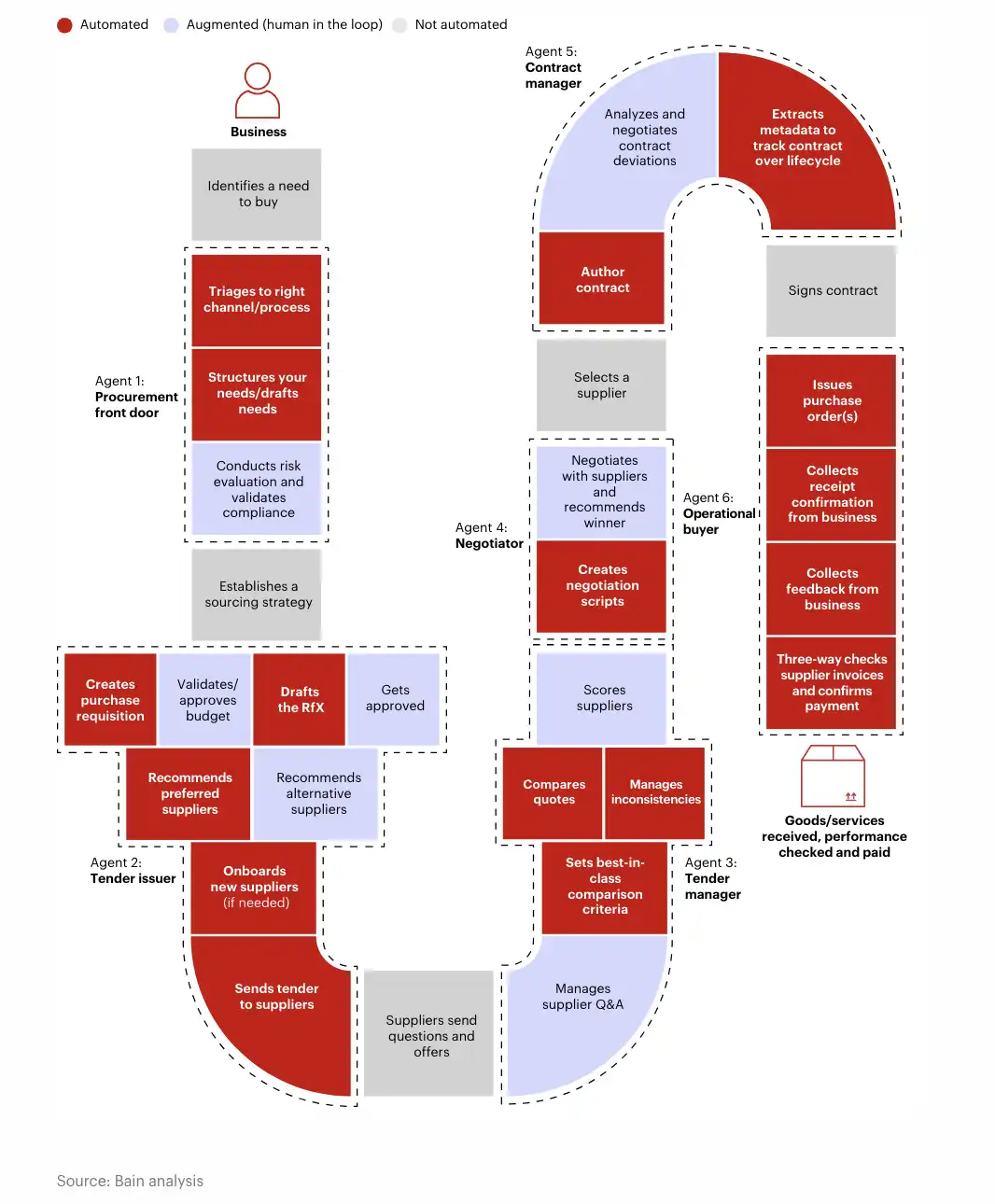
Check out the full report here.
💫 Resources from Una
- The CFO’s Guide to a GPO Partnership
- Why Orchestration is the Next Essential Skill for Procurement
- When Negotiations Go Wrong
- Bringing Negotiation Intelligence In-House
- AI in Procurement: From Buzzwords to Business Outcomes
- Small Buyer, Big Impact: How GPOs Enable SMEs
- Episode 237 featuring Michael Rodenberg
- Episode 238 featuring David Loseby
📧 Never Miss an Issue
Subscribe to The Sidekick.
Subscribe to receive The Sidekick in your inbox. New issues are published every month.