
When Walking Away Costs Everyone
August 31, 2026
Welcome to The Sidekick, a monthly procurement newsletter dedicated to Sourcing Heroes around the country.
Una is a group purchasing organization that helps over 10,000 active members save more money and simplify procurement.
Join us today at www.una.com.
U.S. - Canada Trade Talks
The collapse and fallout.
Welcome to edition #32 of The Sidekick!
U.S.-Canada trade negotiations broke down late Friday, leaving over $2 billion in daily cross-border commerce exposed. We examine which U.S. industries carry the highest risk, the operational dangers of walking away from tightly integrated partners, and the tactical steps procurement teams can take before Canada’s retaliatory tariffs hit on September 8.
We also cover the White House’s expanded transshipment crackdown, the new border-enforcement AI screening incoming shipments, and why your compliant "China-Plus-One" strategy might now trigger the exact regulatory red flags it was built to avoid.
Subscribe below so you never miss an issue!
Let's get into Issue #032...
The GPO Evaluation Playbook: Comparing & Selecting GPOs
Every GPO pitch sounds the same. This playbook helps you cut through the noise to evaluate cost structures, category fit, and service quality so you choose a partner that actually delivers.
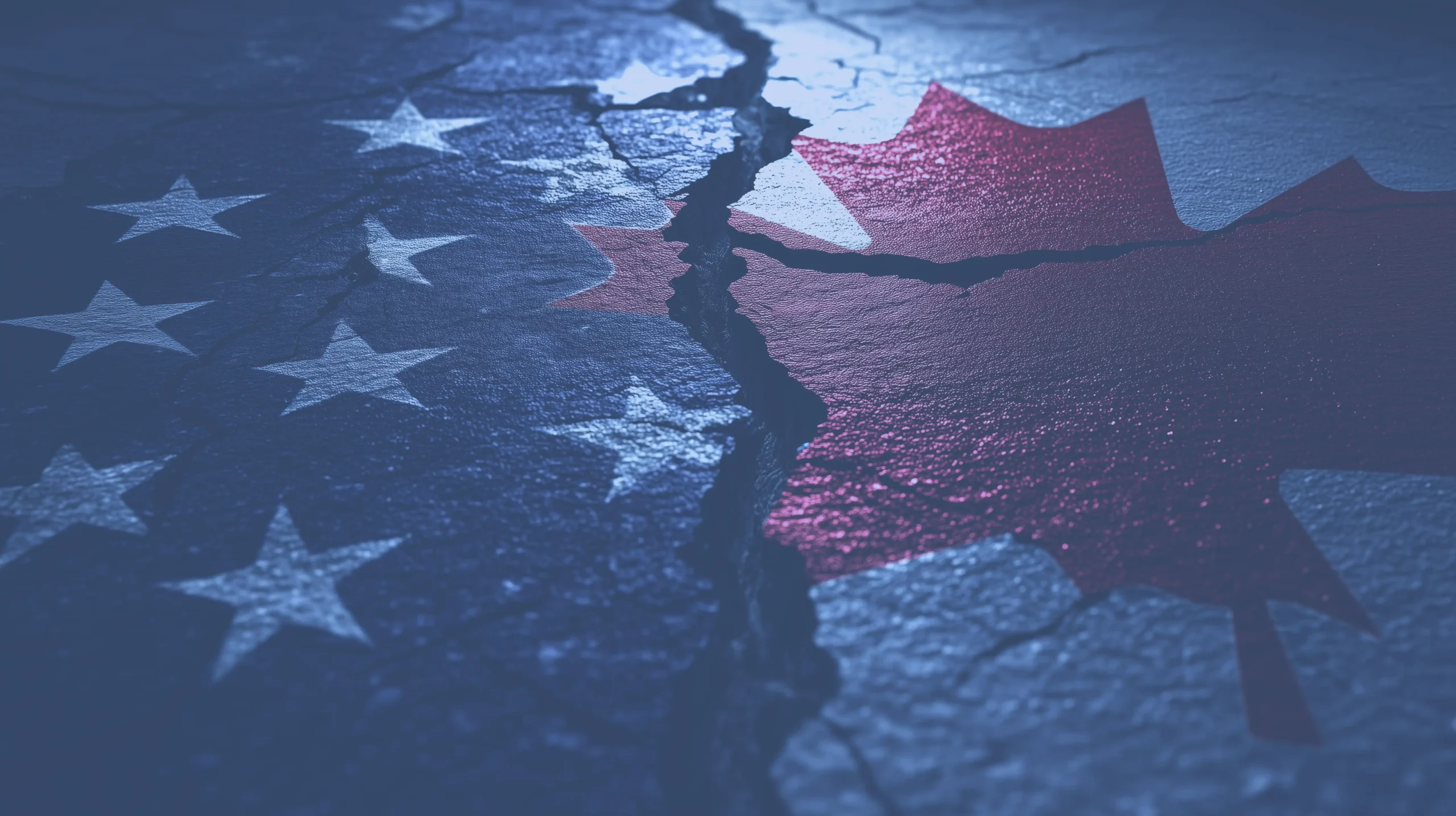
When Walking Away Costs Everyone
Navigating a major negotiation misstep.
U.S.-Canada trade talks collapsed Friday night. Key U.S. sectors are absorbing the fallout, highlighting a major negotiating misstep.
Standard negotiation tactics preach a simple rule, one built around knowing your BATNA, staying ready to walk away, and never showing desperate need. That logic holds up on paper because it assumes both parties can separate cleanly if talks fail.
But in modern global trade, critical relationships rarely allow for that kind of clean break, and severing them tends to cause self-inflicted damage.
The sudden breakdown in U.S.-Canada negotiations demonstrates what happens when deeply intertwined partners attempt to walk away.
By The Numbers:
- $2B+: Daily value of goods moving across the U.S.-Canada border.
- 50%: New U.S. tariff rate on $20 billion worth of Canadian goods (USMCA exemptions do not apply).
- Sept 8: Execution date for Canadian retaliatory tariffs.
What Broke Down and Why It Matters
Negotiations stalled over the USMCA review, the primary trilateral trade agreement between the U.S., Canada, and Mexico. U.S. officials pushed for stricter rules of origin, specifically within the auto sector, and expanded access to Canadian dairy markets. Canadian PM Mark Carney held firm on dairy and rejected origin rules that disproportionately targeted Canadian manufacturers.
The stalemate triggered immediate 50% U.S. tariffs on $20 billion in Canadian imports, bypassing USMCA exemptions. Canada countered with retaliatory tariffs taking effect September 8, targeting steel, dairy, farm equipment, paper, and electronics. No future talks are currently scheduled.
Most Exposed U.S. Sectors
- Steel & Aluminum: Canada is the top foreign steel supplier to the U.S. With 50% tariffs active and no USMCA relief, procurement teams face steep price hikes. Canada’s retaliatory list also targets U.S. steel.
- Automotive: Highly integrated cross-border supply lines mean single components cross the border multiple times during production, multiplying tariff costs at every stage.
- Agriculture & Dairy: Canadian retaliatory tariffs target U.S. farm machinery exports. Meanwhile, U.S. food processors relying on Canadian dairy inputs face immediate margin compression.
- Pulp, Paper & Packaging: A critical upstream category for healthcare, retail, and manufacturing. Disruptions to Canadian pulp imports will trigger widespread price increases across packaging lines.
- Electronics & Appliances: Subject to Canada’s September 8 retaliatory list, giving IT, facilities, and capital equipment buyers under three weeks to adjust sourcing strategies.
- Energy (Carved Out): U.S. tariffs explicitly excluded energy, potash, and critical minerals, signaling clear awareness of strategic dependencies despite active trade disputes.
The Strategic Negotiation Lesson
This dynamic happens regularly in commercial procurement. A buyer aggressively pushes a vendor on price until the vendor decides the low margin isn't worth the hassle and walks. Only then does the buyer realize the vendor held crucial institutional knowledge, specialized tooling, or unmatched lead times. The leverage play backfires into an operational crisis.
Compelling a partner into an unsustainable position backfires when their failure directly impacts your supply chain.
Proponents of Strategic Relationship Management (SRM) will stress the importance of starting a negotiation on a good footing, or at least a neutral one. The Canada-U.S. relationship can best be described as strained. Carney was elected on a “standing up to Trump” platform, with a mandate to reject any trade deals Canada sees as unfair.
Meanwhile, comments from the White House about Canada becoming the 51st state have not made any friends over the border.
Be aware of the risks before walking away:
- High vendor switching costs
- Extended lead times to vet and qualify new suppliers
- Shared intellectual property or custom tooling
- Highly concentrated market with minimal alternative suppliers.
If these factors exist, threatening to walk is rarely effective, and executing that threat will likely cost more than the deal itself.
What U.S. Procurement Teams Can Do Before September 8th
- Map Canadian supply exposure: Audit direct Canadian suppliers and indirect upstream inputs across all product lines.
- Review contract pass-through clauses: Identify which contracts allow suppliers to pass tariff costs directly to you.
- Accelerate planned capital purchases: Pull forward Q4 equipment and electronics purchases to beat the September 8 deadline.
- Model automotive supply chain impacts: Calculate how a 25% to 50% tariff increase on cross-border components affects final product costs.
- Monitor retaliatory lists: Track updates from Canadian officials, as retaliatory measures often expand if disputes persist.
The Great Transshipment Crackdown
Shifting to heightened CBP enforcement.
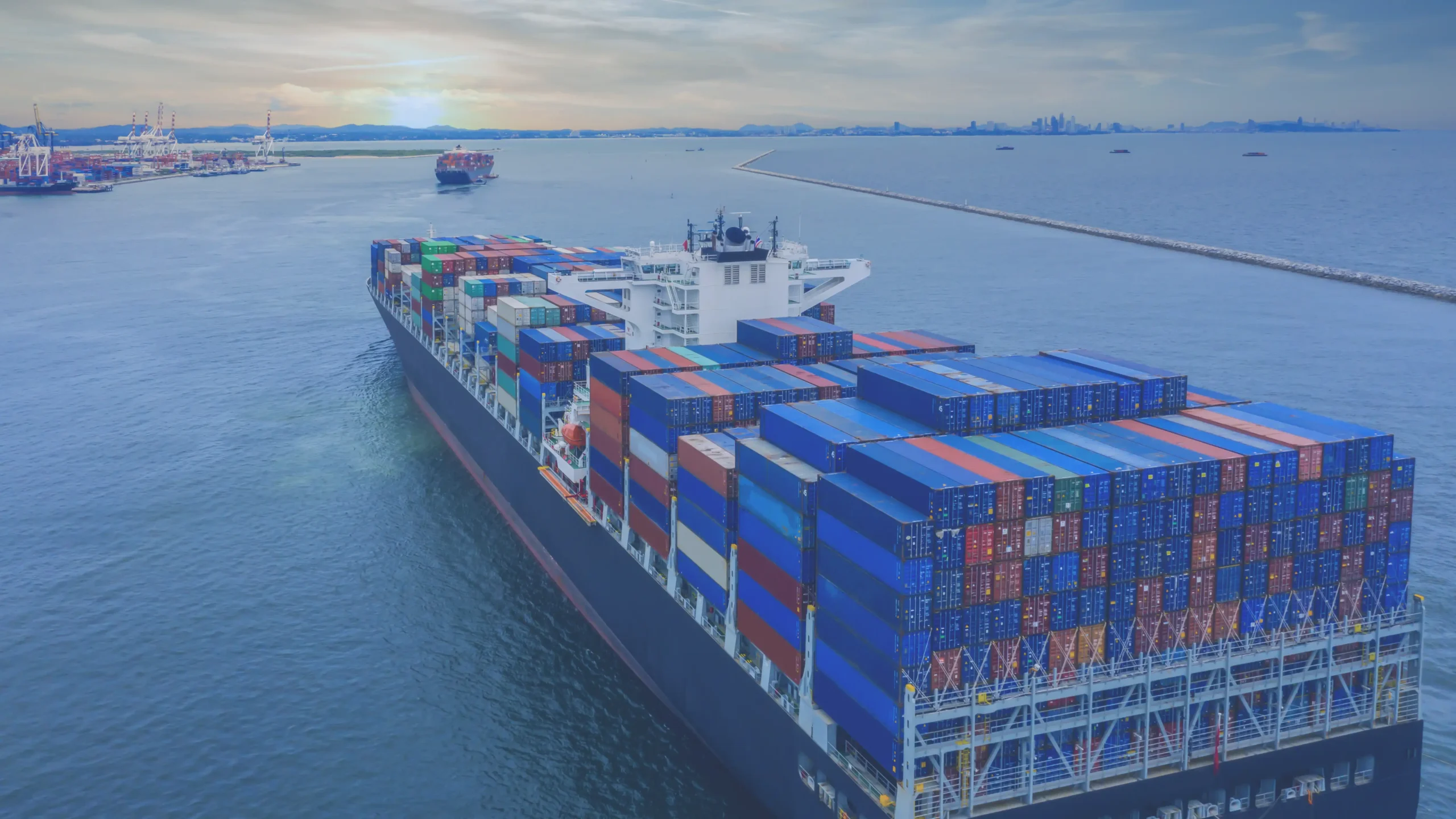
On August 13, the White House Office of Trade and Manufacturing Policy released "The Great Transshipment Scam," accusing more than 40 nations of helping Chinese manufacturers reroute goods to evade U.S. tariffs. The report estimates $75 billion in goods enter the U.S. illegally each year through transshipment, costing up to $34 billion in lost tariff revenue.
This signals an immediate shift toward heightened Customs and Border Protection (CBP) enforcement.
Country Risk Classifications
- Tier 1: Canada, EU, India, Israel, Japan, Mexico, South Korea, Taiwan. High-volume export hubs under intense scrutiny for indirect Chinese inputs.
- Tier 2: Brazil, Turkey, Indonesia, Malaysia, Thailand, Vietnam. Primary destinations for post-2018 "China-Plus-One" relocations.
- Tier 3: Smaller economies utilizing free-trade zones or low customs enforcement to facilitate rapid rerouting.
The Compliance Challenge
Legitimate supply chain diversification and illegal transshipment are becoming harder to separate under current enforcement frameworks. Companies that legally moved production out of China to countries like Vietnam, Malaysia, or Mexico now find those exact trade routes flagged for suspicious activity.
Law firm Arnold & Porter noted that the report "blurs the distinction between lawful trade diversion and unlawful country-of-origin claims." But while origin rules remain unchanged, enforcement intensity has increased significantly.
Suggested Actions for Compliance Teams
- Audit country-of-origin claims: Verify that products relying on third-country assembly meet substantial transformation standards. Simple assembly or repackaging will not hold up under review.
- Centralize production records: Gather bills of materials, factory capacity data, and input purchase records before CBP issues an inquiry.
- Map multi-tier Chinese inputs: Trace tier-2 and tier-3 suppliers for Chinese ownership, financing, or raw material dependencies.
- Consult trade counsel: Review multi-country supply chains with legal experts proactively.
📰 In Other News...
Keeping a pulse on the industry.
China-Plus-One: Your diversification strategy may now be a risk.
Vietnam, Mexico, Malaysia, and Thailand, top destinations for post-2018 supply chain moves, all appear on Tiers 1 and 2 of the White House transshipment watchlist. To protect legitimate operations, companies must maintain detailed records proving genuine "substantial transformation" occurred at foreign facilities.
USMCA: Exemptions are shrinking.
The new 50% tariffs on Canadian imports do not include standard USMCA preferential treatment. Organizations relying on USMCA frameworks to buffer foreign sourcing must audit their documentation to survive stricter CBP verification.
🤖 AI Procurement News
Artificial intelligence shaping the industry.
Detective Border AI is Scanning Your Supply Chain
Until recently, an importer who cleared customs with questionable documentation could sell their goods, pocket the margin, and fight any audit for months or years. That window is closing. The White House announced an AI-powered enforcement system called the Detective Border, built and operated by Exiger, a McLean, Virginia supply chain intelligence firm that won a multi-million dollar CBP contract in October 2025.
The system runs three analytical layers simultaneously.
- Entity resolution traces a shipping entity through layers of holding companies to its ultimate beneficial owner across hundreds of millions of organizations, so a Vietnamese-registered exporter with Chinese state backing will show up as such.
- Anomaly detection cross-references billions of shipment records against production-capacity data by country and product category, flagging cases where a transit country's declared exports exceed what it could plausibly have manufactured.
- X-ray imaging analysis applies AI models to the tens of thousands of container scans CBP generates daily, catching mismatches between declared manifests and physical contents in near real time.
Full implementation is targeted by the end of 2026.
💫 Resources from Una
- Guide: The CFO's Guide to a GPO Partnership
- Playbook: The GPO Evaluation Playbook
- Playbook: The Indirect Spend Audit
- Article: When Free Isn't Too Good to Be True - Understanding GPO Member Models
- Article: The Opportunity Cost of Delaying a GPO Membership Decision
- Article: The AI Clause You Didn’t Know You Signed
- Article: Can Any Procurement Strategy Beat a GPO?
- Article: Lone-Wolf Procurement - Joining a GPO Versus Going It Alone
- Podcast: Episode 243 Featuring Lamont Robinson
- Podcast: Episode 244 Featuring José Alfredo Rodríguez
📧 Never Miss an Issue
Subscribe to The Sidekick.
Subscribe to receive The Sidekick in your inbox. New issues are published every month.